
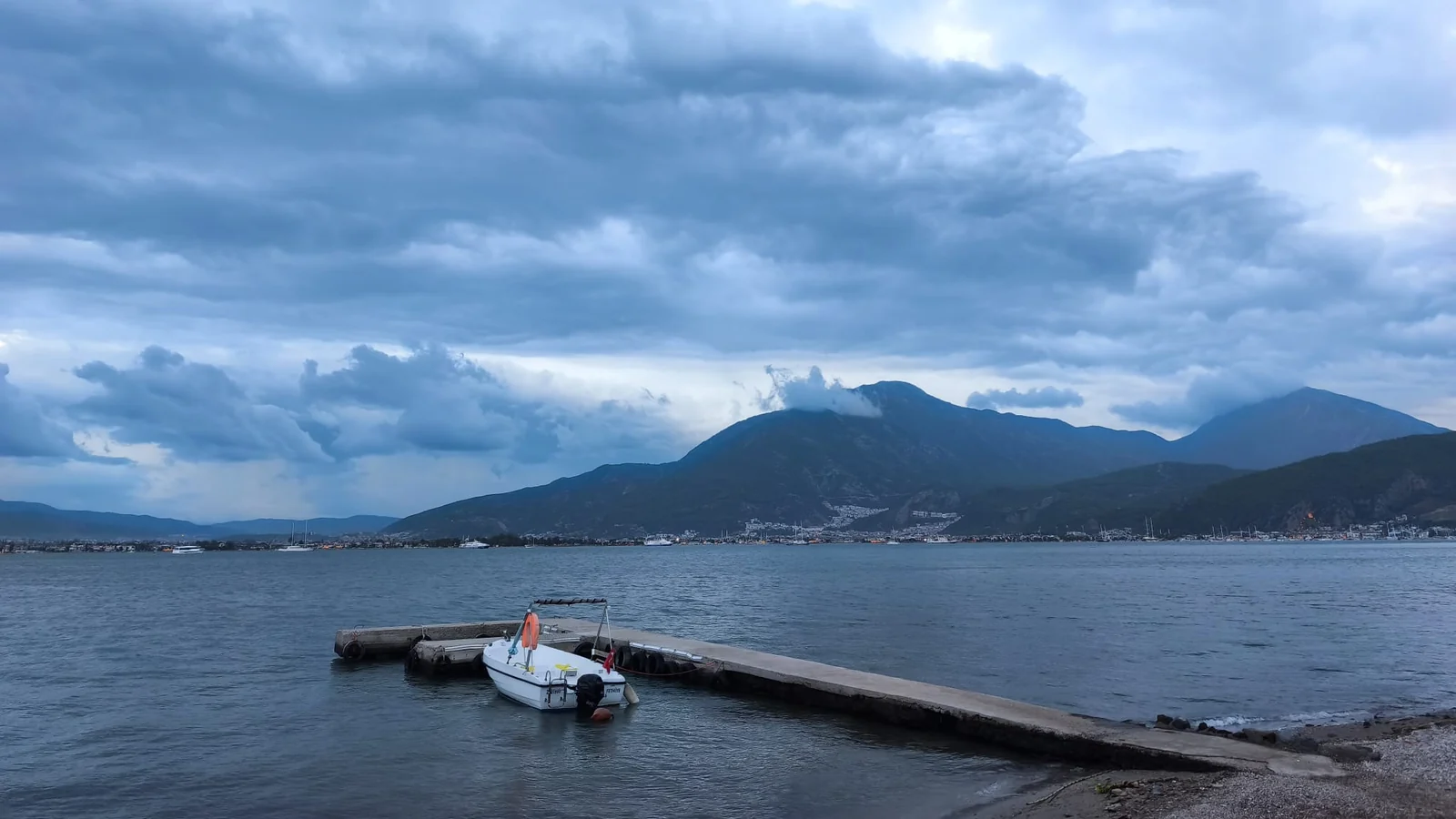
Winter in Fethiye is generally mild and rainy, with year-round life continuing in the town centre. Summer crowds ease, getting around often becomes simpler, and sunny days are still good for waterfront walks. Tourism-focused places such as Hisarönü and Ölüdeniz become noticeably quieter.
If you know Fethiye for its blue sea, busy beaches and long summer evenings, you may wonder what happens when the holiday season ends. Does everything close? Will it feel cold? Is there enough to do?
At Apple Estates, we have worked in Fethiye since 2002, meeting people who come for a holiday and others who eventually make a home here. One thing we have learnt is that visitors who have only seen the summer often have another side of Fethiye still to discover.
In winter, the holiday atmosphere steps back a little. A quieter, more familiar town comes forward, with everyday life taking centre stage.
What is the weather like in Fethiye in winter?
One of Fethiye’s attractions is that the coastal winter is less severe than in many inland parts of Türkiye. The Turkish State Meteorological Service’s Trewartha climate classification for Fethiye, based on the 1991–2020 period, describes its winters as mild.
That is a long-term climate description, rather than a promise about your travel dates. Cool nights, heavy rain and windy days are all part of winter here.
There are also bright days when a cool morning gives way to a pleasant afternoon beside the water. Being able to go for a walk beneath a clear blue sky is one of the small pleasures of local winter life. Bring layers and rainwear, rather than packing as though you were coming for a summer beach holiday.
Does it rain a lot?
Rain is an important part of Fethiye’s winter. After the long, dry summer, wetter spells return and showers can come and go over several days.
The landscape changes with them. Hills become greener, the air can feel fresh after rain, and the colours of the sea and surrounding mountains take on a different character. Heavy downpours can also mean changing plans or taking extra care on the roads.
When planning a day out, look at wind and rainfall as well as temperature. A sunny afternoon and a stormy one can produce very different experiences in the same month.
Does it snow in Fethiye?
Snow in central Fethiye is very unusual, but higher ground around the district can have snow during cold spells. Nif is a local favourite for a winter outing, sometimes combining snowy scenery with a leisurely breakfast.
The contrast between the coast and the higher villages is part of the area’s appeal. Snow is never guaranteed, however. Check the forecast and road conditions before travelling uphill, particularly after a cold or wet spell.
Fethiye in December, January and February
Everyday life follows a similar pattern through the main winter months. For an individual outing, whether the day is sunny, rainy or windy often matters more than small differences between months.
| Month | General character | Everyday plans |
|---|---|---|
| December | Cooler weather and more rain than summer | Waterfront walks mixed with indoor days |
| January | Usually among the coolest weeks of the year | Heating matters; the town feels quieter |
| February | Still cool, with wet spells | Outdoor plans continue on suitable days |
This is a seasonal overview, not a daily forecast or a table of measured monthly averages. Check current weather information for the dates you intend to visit.
Does Fethiye close down in winter?
No. Central Fethiye is a working town with year-round residents, rather than a resort that closes at the end of summer. Schools, shops, supermarkets and many cafés and restaurants continue to serve local people, workers, students and families.
Summer crowds give way to a more relaxed pace. For many residents, being able to go into town, meet friends or find a parking space more easily is a welcome change. Quieter streets do not mean that social life has stopped.
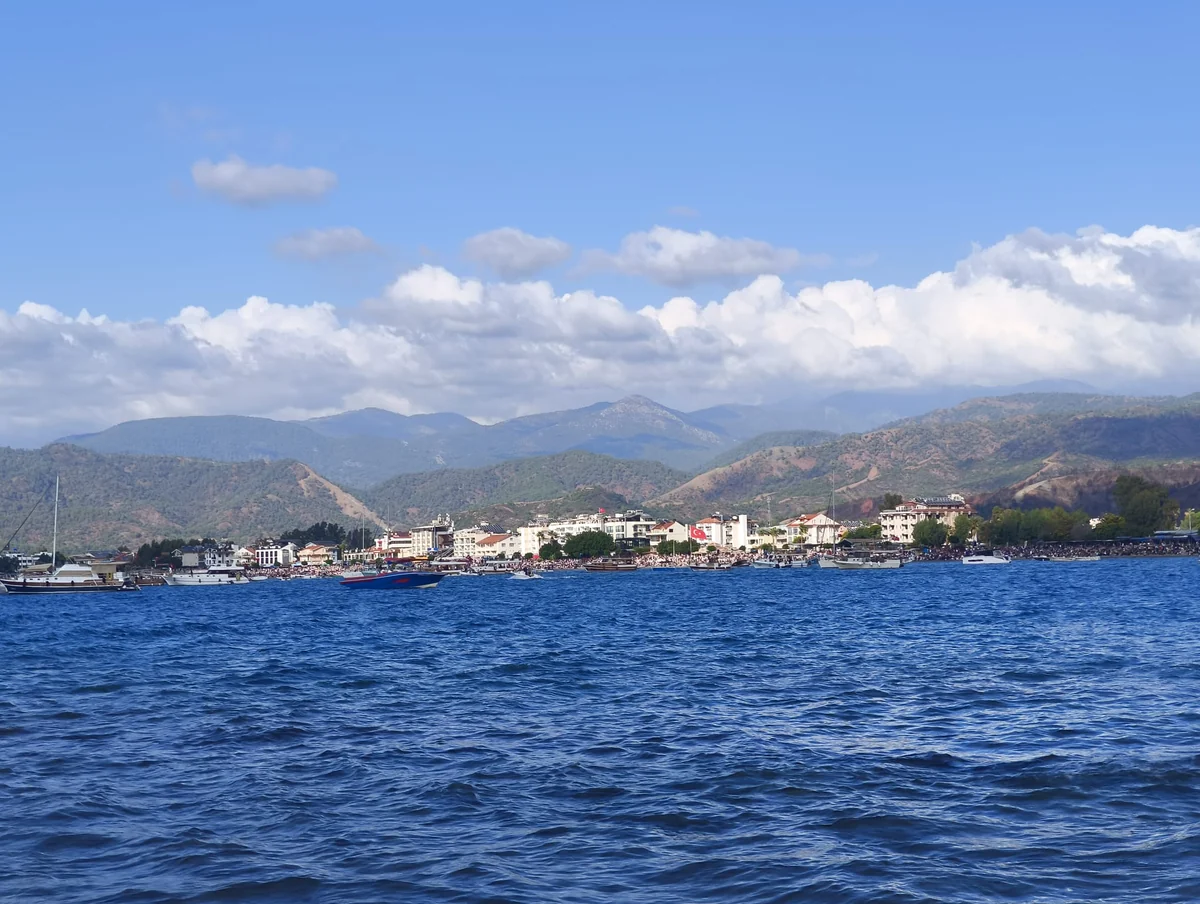
Winter around the Kordon, Dispanser Sokak and Paspatur
The Kordon, Fethiye’s waterfront promenade, remains part of the daily routine. On a fine winter morning, you can walk beside the bay and stop for breakfast at an open seafront café. Some mornings the water looks almost flat, with less of the boat traffic and activity associated with summer.
More social life moves into covered or heated spaces. Cafés around Dispanser Sokak, Erasta shopping centre and restaurants in the town centre remain meeting places for friends and younger residents. There is an easy sense of community in places that people return to throughout the year.
Paspatur has its own rhythm. Many businesses aimed at visitors operate seasonally, while the bars, restaurants and cafés that stay open give the old town a smaller, more intimate atmosphere. Sitting with friends near a heater or an outdoor fire on a cool evening is a familiar part of winter here.
Are the local markets open?
Fethiye’s regular markets are part of local life throughout the year. Weather can affect arrangements on a particular day, but market shopping is not limited to the tourist season.
The produce changes with the months. Summer fruit and vegetables give way to winter crops, offering a good way to see the seasonal variety grown around Fethiye.
Which areas are livelier in winter?
Established residential neighbourhoods and tourism-focused resorts do not change in the same way. The comparison below reflects our team’s local observations; it is not a statistical survey of business openings.
| Area | Winter feel | What to consider |
|---|---|---|
| Central Fethiye | Lively daily life at a calmer pace | Year-round services and places to meet |
| Çalış | A quieter seafront | Some beachfront cafés and restaurants remain open |
| Ovacık | Quiet residential and villa life | Less visitor activity; cooler evenings can be noticeable |
| Hisarönü | Much quieter than summer | Many tourist bars and restaurants operate seasonally |
| Ölüdeniz | Quiet beaches and coastal views | Fewer businesses open than in peak season |
| Üzümlü | Village life continues | An established year-round community |
Central Fethiye, Tuzla, Akarca, Taşyaka and Patlangıç
In the town’s established neighbourhoods, daily life continues much as it does in summer. Schools, supermarkets, parks, cafés and local services remain part of the routine.
The main change is often the reduced crowding and traffic. For someone living here, winter can feel like the same town moving at a more comfortable speed. Our guide to living in Taşyaka looks more closely at daily access, hills and transport in that part of town.
What is Çalış Beach like in winter?
Çalış becomes a gentler version of its summer self. Some visitor-focused businesses close, while other cafés and restaurants continue to welcome people along the seafront.
You can take a walk, watch the changing sea and settle into an open café. Heaters and occasional outdoor fires create warm meeting spots on cooler days. The sunset is still a reason to linger, without the busy beach atmosphere of peak season.
Ovacık and Hisarönü
The summer–winter contrast is particularly noticeable here. Much of the nightlife and tourist trade in central Hisarönü is seasonal, so someone who enjoys its lively summer evenings may find winter unexpectedly quiet.
Ovacık has more of a residential and villa character. Year-round residents and open local shops keep daily life going, although the area becomes much calmer. Its higher position can also make evenings feel cooler than by the waterfront.
If you are thinking about living in either place throughout the year, a winter visit is useful. It lets you judge the setting against the life you actually want to lead.
What is Ölüdeniz like in winter?
Ölüdeniz without the summer crowds feels quite different. The beach is quieter, and sitting beside the sea can become the main activity rather than a pause between other plans.
Some businesses around Belcekız remain open. You may even see people swimming when conditions suit them, but winter is not a dependable choice for a swimming holiday. The quieter pleasure is often a chair, a warm drink and time to watch the view.
Kayaköy, Üzümlü and Göcek
Kayaköy still offers its landscape and historic atmosphere outside summer. Some accommodation operates year-round, but individual opening periods vary, so check ahead.
Üzümlü keeps much of its village rhythm through its resident community. A hot drink beside the stove in a village coffee house can be one of the most welcoming experiences of a winter day out.
Göcek becomes quieter as summer yachting activity eases. Seasonal businesses sit alongside restaurants and meeting places that remain open throughout the year.
The question is less whether all of Fethiye is open or closed, and more how much your chosen neighbourhood depends on seasonal tourism.
Things to do in Fethiye in winter
On suitable days, there is plenty to enjoy in and around the town. Leave room in the plan to respond to the weather.
1. Walk the Kordon and stop for breakfast
Start with a waterfront walk, then choose an open café for breakfast. Without the strongest summer heat, a long walk can feel much more comfortable. Watch how the light changes across the bay and take your time.
2. Take a winter trip to Nif
Nif is a favourite local outing for higher countryside, winter breakfasts and, during some cold spells, snow. It offers a very different setting from the waterfront.
Check that the place you want to visit is open, and confirm weather and road conditions before setting off. Do not plan the trip on the assumption that there will always be snow.
3. Spend a quiet afternoon at Çalış
Walk beside the beach, have a meal at an open restaurant and stay for the sunset if conditions are comfortable. Seeing a familiar summer seafront without the crowds is part of the experience.
4. Meet friends around Dispanser Sokak and Paspatur
Central cafés and restaurants make winter evenings easy to organise. Spend time around Dispanser Sokak during the day, then try an open venue in Paspatur later on. The atmosphere around a heater, shared table or outdoor fire can feel very different from summer nightlife.
5. Cycle, walk or paddle when conditions allow
A coastal cycle ride, countryside walk or a suitably organised kayaking or rowing session can still be possible in winter. The conditions decide what is sensible on the day.
Wind and sea conditions can change quickly. Use suitable equipment and experienced local guidance for water activities. On walking routes, including sections of the Lycian Way, rain can leave rock and soil slippery; choose a route that suits the forecast and your experience.
What can you do on a rainy day?
Erasta shopping centre, indoor cafés and town-centre restaurants offer places to spend time when outdoor plans are less appealing. A covered waterfront restaurant, tea around Halk Evi or a familiar café with friends can be enough to make a relaxed day.
Living here in winter does not mean spending every day in sunshine. The appeal is that normal life continues when the weather changes.
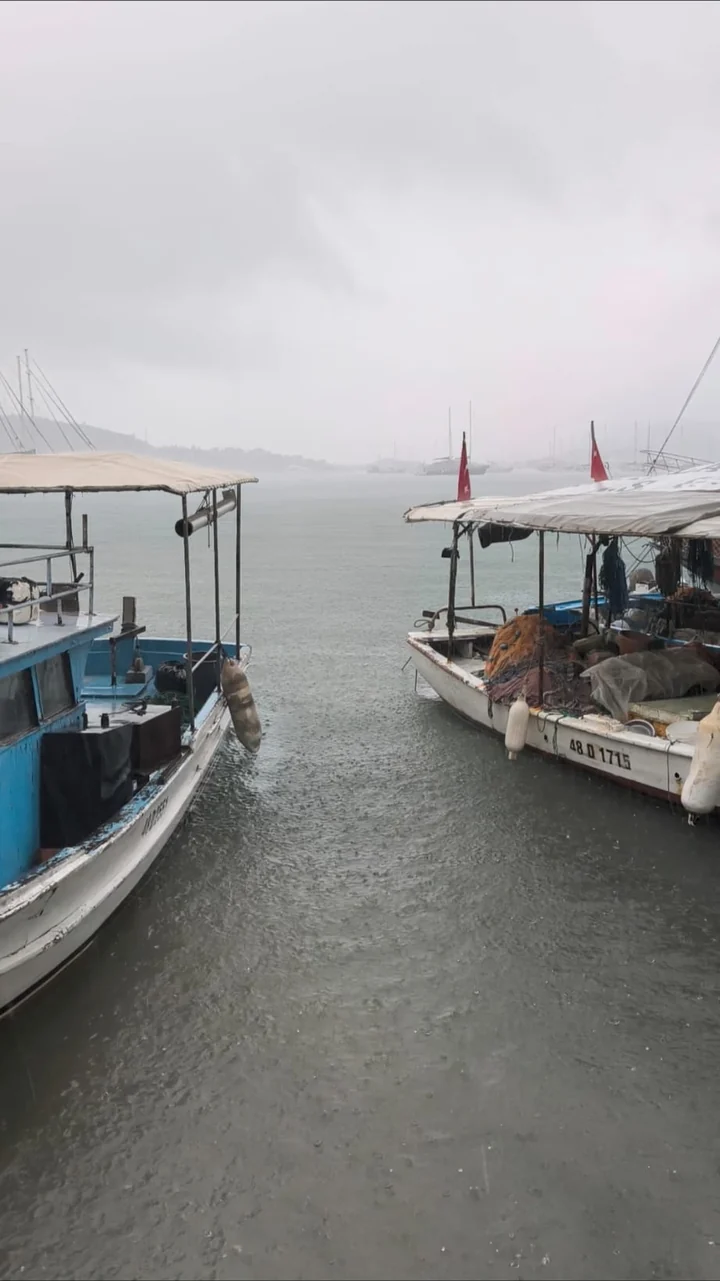
Winter traffic and public transport
Residents notice the difference when summer visitor and vehicle numbers ease. Journeys into central Fethiye often become less busy, and parking can be easier, although there is no guarantee of a space on every street.
Dolmuş and minibus services continue in winter. Some central routes can be frequent, while other services run less often than in summer. Check the current timetable for your particular journey rather than assuming every route operates at the same frequency.
If this is your first visit, our guide to where Fethiye is, how to get here and how to get around explains the main travel options.
Are homes cold in winter? Heating, damp and drainage
A mild outdoor climate does not tell you how comfortable a particular home will feel. If you are used to a UK home with central heating, ask what is actually installed rather than assuming the arrangements will be the same.
Air conditioning used for heating, stoves and electric heaters have long been common locally. Some newer or better-equipped homes have underfloor heating or heat pumps. Insulation, orientation, sunlight, windows and the condition of the heating equipment all make a difference.
A local report dated 13 October 2026, quoting the Fethiye representative of the Chamber of Mechanical Engineers, described continuing natural-gas distribution works in some neighbourhoods. An infrastructure announcement does not confirm a working supply at a particular home: check the address with the distributor and the owner.
Should you check for damp near the sea?
Yes. When comparing a coastal home, examine ventilation, insulation, building materials and maintenance. These can matter in Karagözler and the seafront parts of Tuzla, Babataşı and Akarca, as elsewhere.
This is not a claim that every home in those neighbourhoods has damp. Two properties on the same street can perform differently. If you are considering year-round living, seeing the home during a wet spell can be more revealing than only visiting on a sunny summer afternoon.
Heavy rain and local infrastructure
Heavy rainfall can produce standing water and local drainage problems on some streets. In a 29 December 2025 announcement, MUSKİ described stormwater works in Cumhuriyet Mahallesi intended to address flooding.
Do not interpret that announcement as proof that all risk has disappeared in that neighbourhood or across Fethiye. For a ground-floor, basement or low-lying property, investigate drainage, the surroundings and any history of water entering the building.
Our property inspection checklist covers further questions to ask about a home. If you are deciding who to work with, read our guide to choosing an estate agent in Fethiye.
Who enjoys living in Fethiye in winter?
Different people find different advantages. Workers may appreciate easier journeys. Students and younger residents have central cafés and familiar meeting places. People who enjoy the outdoors can make the most of suitable days for walking, cycling or time beside the sea.
Families, couples and retirees may enjoy year-round services and a calmer pace. Someone who mainly loves Hisarönü’s summer nightlife could see the seasonal quiet as a drawback.
For a longer stay, get to know the place in more than one season. Our comparison of the main Fethiye areas by lifestyle and access can help you decide where to spend time on a winter visit.
A local perspective: some people prefer Fethiye in winter
Over the years, we have met visitors who found a first summer trip hotter and busier than they expected. Sometimes that first impression led them to picture the same heat and activity throughout the year.
A return visit in winter can change their view. Quieter streets, easier traffic, open local businesses and sunny breaks reveal a different rhythm. We have met people who were unsure about living here after a summer visit, then felt much more at home when they returned in winter.
That is our local experience, rather than a claim that everyone will feel the same. Getting to know a town means seeing more than its busiest season.
Common questions about Fethiye in winter
Is Fethiye very cold in winter?
Its coastal winters are relatively mild, but cool nights, wet weather and colder spells still occur. Bring suitable clothing and check the heating and insulation of your accommodation.
Is everything closed?
No. Central Fethiye continues to function throughout the year. Seasonal closures are more noticeable in tourism-focused places such as Hisarönü and Ölüdeniz.
Can you swim in winter?
Some people swim when conditions suit them, but the sea is colder and winter is not the usual choice for a swimming holiday. Do not treat a mild air temperature as proof that sea conditions are suitable.
Does it snow?
Snow in the town centre is very unusual. Higher areas around Fethiye can see snow during suitable cold weather, although a trip to Nif does not guarantee snowy scenery.
Can you manage without a car?
In central neighbourhoods, many daily needs can be reached on foot or by public transport. A car can be more useful in outlying or rural areas. Check the route and current winter service for the journeys you will make.
Is Fethiye worth visiting in winter?
It can be a rewarding time if you enjoy local life, quieter waterfronts and flexible outdoor plans. Expect rain, cool evenings and seasonal closures alongside the pleasant days, rather than an uninterrupted summer-style holiday.
See Fethiye in another season
A summer visit shows the town at its busiest and most dressed up. A winter visit brings morning walkers on the Kordon, friends meeting on Dispanser Sokak, conversations beside the stove in Üzümlü and beaches with room to breathe.
Rainy days, cool evenings and seasonal closures are part of the picture. So is the fact that the town carries on living through them.
Our suggestion is simple: if you like Fethiye, come back in winter. Summer shows you its holiday side; winter helps you understand what it feels like to live here.
If you are planning a longer stay and want to talk about the practical differences between neighbourhoods, you are welcome to contact our local team.
Sources and local experience
This guide draws on the Apple Estates / Apple Emlak team’s local life and property work in Fethiye since 2002. Area comparisons and customer experiences are our observations. Climate classification is long-term information, not a daily forecast. Opening periods, transport timetables and infrastructure availability can change.